In the world of transportation, safety is of the utmost importance. One of the greatest dangers that truck drivers and delivery drivers face on a daily basis is the presence of blind spots, also known as “dead angles.” These are areas around the vehicle where visibility is significantly reduced. These blind spots can lead to serious accidents, especially when maneuvering in tight spaces or changing lanes. Blind spot cameras, such as the SmartVue DobliCam and OmniVue 360° camera systems, have become essential tools for minimizing the risks associated with these blind spots. In this article, we look at how blind spot cameras work and how they help prevent accidents. We also discuss why investing in this technology is a smart decision for companies in the transportation sector.
The challenge of blind spots
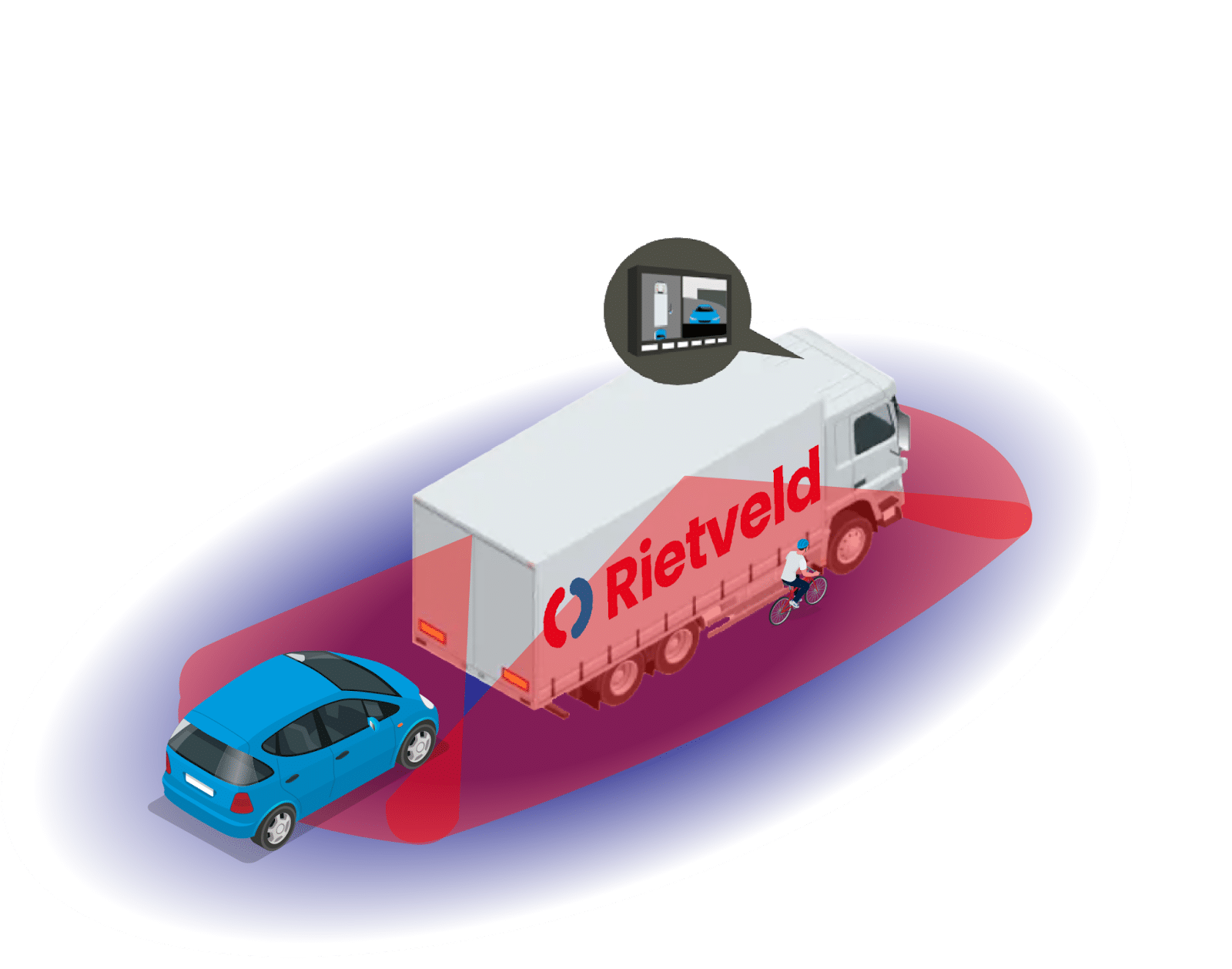
Blind spots are the areas around the vehicle where the driver has little or no visibility. Due to the size and length of trucks, these blind spots can be extensive, making it difficult for drivers to see other vehicles, pedestrians, cyclists, or obstacles. Blind spots are particularly dangerous when trucks and vans are turning or merging.
Trucks typically have four “main” blind spots:
- Directly behind the truck.
- Directly below the driver’s side window.
- The passenger side.
- Directly in front of the truck, under the nose.
These blind spots, also known as “no zones,” can lead to accidents when the driver overlooks smaller vehicles or pedestrians. In urban areas with heavy traffic, the risk of blind spot-related accidents increases dramatically.
The role of blind spot cameras
Rietveld’s blind spot cameras address these visibility issues by providing drivers with a clear, real-time view of areas that are typically hidden. These blind spot cameras are strategically placed around the truck to cover key blind spots. This gives the driver a better view of their surroundings.
Realtime visibility
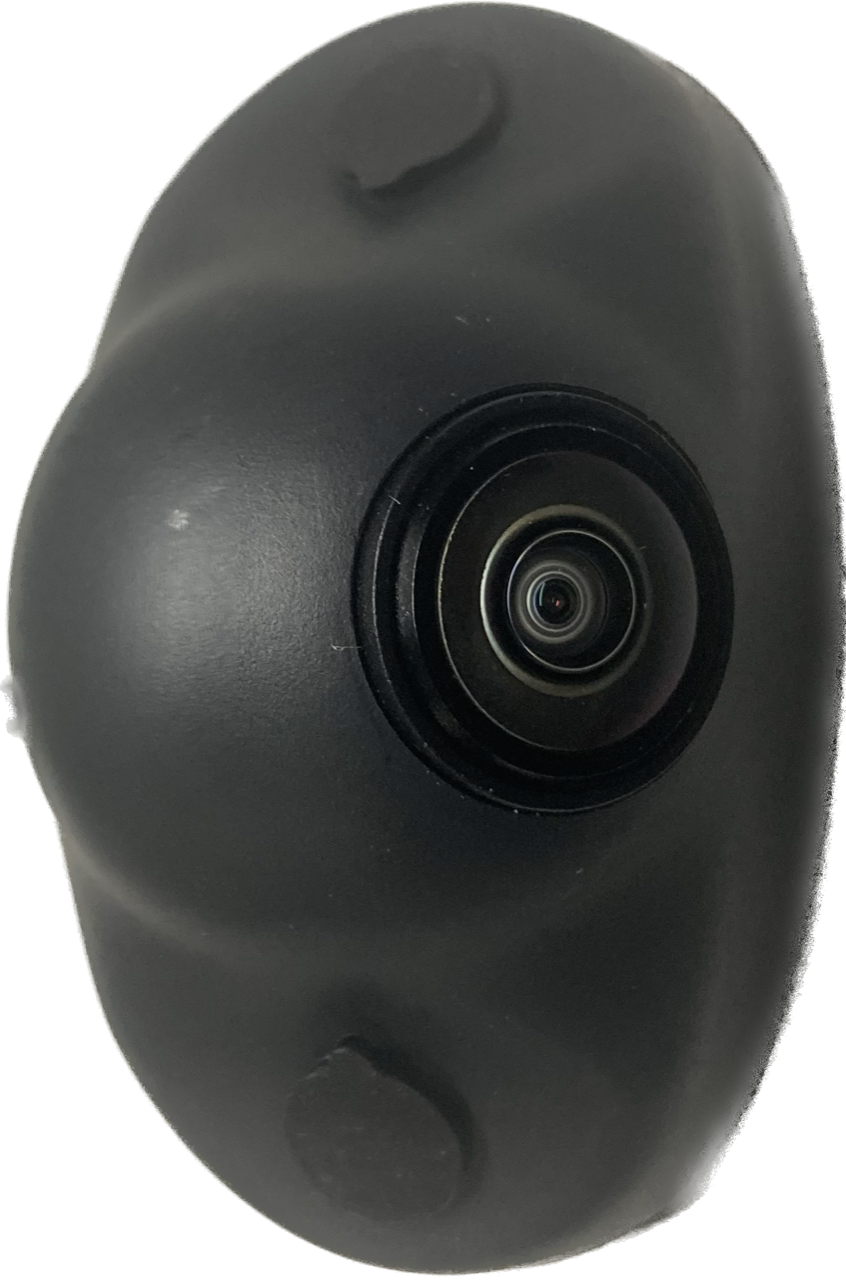
The biggest advantage of blind spot cameras is the real-time visibility they provide. When integrated with a monitor in the cab, the cameras provide live images of what is happening around the truck. This eliminates the need to rely solely on mirrors. This is particularly useful during complex maneuvers such as changing lanes, parking, or navigating narrow streets.
For example, the state-of-the-art OmniVue 360° camera system gives the driver a panoramic bird’s-eye view of everything around the truck. This comprehensive view helps the driver to spot potential hazards before they become problems, reducing the risk of blind spot accidents.
Minimizing blind spot accidents with camera technology
Blind spot accidents are one of the most common types of collisions involving trucks. From side collisions to collisions when turning, these incidents often occur because the driver simply could not see the other vehicle or person in time. Blind spot cameras, such as the SmartVue DobliCam and OmniVue 360°, are specifically designed to reduce these risks.
Reduce side collisions
One of the most dangerous types of blind spot accidents is the side collision. This often occurs when a truck driver changes lanes and is unaware of a vehicle in the adjacent lane. By using a blind spot camera, the driver has a clear view of the side of the vehicle. This helps prevent him from accidentally hitting other vehicles.
The SmartVue DobliCam is an excellent example of how advanced cameras can help reduce side collisions. The camera provides audible and visual warnings to the driver when obstacles are detected in the blind spot. This helps to prevent this type of collision.
Prevent rear-end collisions
Another common type of accident is rear-end collisions, often caused when a truck or van reverses without a clear view of what is behind it. Blind spot cameras covering the rear of the vehicle can prevent such accidents. When combined with systems such as the OmniVue 360° camera system, drivers can reverse with confidence. They have a complete view of what is behind them, including pedestrians and smaller vehicles that may be in their path.
Increased safety for vulnerable road users
Vulnerable road users such as pedestrians and cyclists are at significant risk when sharing the road with large vehicles such as trucks. In urban areas, blind spots can obscure people from view, increasing the risk of accidents. Blind spot cameras, such as those in systems like the SmartVue DobliCam, actively work to reduce these risks.
Protection of pedestrians and cyclists
Another essential advantage of blind spot camera systems is their ability to detect pedestrians and cyclists in blind spots, especially when turning. Advanced blind spot cameras provide real-time alerts, ensuring that the driver is aware of anyone close to the vehicle. This capability is crucial in densely populated urban environments where there are many pedestrians and cyclists.
For example, the SmartVue DobliCam provides both visual and audible alerts when a person or cyclist is detected near the truck. This proactive system helps prevent accidents before they happen, ensuring the safety of vulnerable road users.
Improved driver awareness and reduced stress
Driving a large vehicle such as a truck is a challenging task in itself. Delivering goods to homes in narrow city streets also causes many collisions. Managing blind spots adds complexity and increases the cognitive load on the driver. The introduction of the wireless truck camera system helps reduce this burden by providing a constant visual update of the truck’s surroundings.
A safer and less stressful driving experience
By reducing the number of blind spots that drivers need to worry about, blind spot cameras make driving significantly less stressful. This reduction in stress can lead to better concentration and faster reaction times, further reducing the risk of accidents. Drivers feel more confident and less anxious when they know they can rely on technology to help them navigate busy roads safely.
Cameras such as the OmniVue 360° system also improve the driver’s situational awareness, giving them more control over their vehicle. Instead of hesitating or relying solely on mirrors, they can count on real-time images to make informed decisions on the road.
The business case for installing blind spot cameras
in addition to the safety benefits, installing blind spot cameras and other advanced cameras brings significant business benefits. Companies that invest in blind spot cameras reduce accident-related expenses and improve customer satisfaction, which is a smart financial decision.
Reduced insurance costs and liability
Companies with vehicles equipped with blind spot camera systems often benefit from lower insurance premiums. Insurance companies are increasingly offering discounts to companies that take proactive steps to improve the safety of their fleets. By minimizing the risk of accidents, companies can reduce their liability and keep insurance costs low.
Reducing the number of accidents leads to fewer claims and less time spent on vehicle repairs or legal issues. This allows companies to focus more on their core activities.
Reduce vehicle downtime
Accidents often result in costly repairs and vehicle downtime, which can seriously impact business operations. By preventing accidents through the use of truck camera systems, companies can avoid these disruptions. This means that more vehicles stay on the road, delivering goods and maintaining operational efficiency.
Compliance with safety regulations
In many regions, the use of cameras in commercial vehicles is mandatory due to safety regulations. The SmartVue DobliCam is designed to comply with specific regulatory requirements such as DVS-London and ABE-Assistent. These guidelines are intended to reduce the risks associated with blind spots in large vehicles.
Ensure regulatory compliance
By equipping trucks with compliant blind spot cameras, companies can ensure that they comply with local and national safety standards. This not only helps to avoid potential fines and penalties, but also demonstrates a company’s commitment to road safety and responsible driving.
Summary
In summary, blind spot cameras for trucks are an essential tool for improving road safety, especially in busy urban environments. These cameras play a crucial role in preventing accidents by reducing the risk of side and rear-end collisions. They also protect vulnerable road users such as pedestrians and cyclists. For businesses, the benefits go beyond safety, including lower insurance premiums, fewer liability issues, and improved efficiency.
Investing in systems such as OmniVue 360° or SmartVue DobliCam is not just a matter of compliance. It is a forward-thinking decision that ensures the safety of drivers and the public and delivers long-term financial benefits. For companies that want to minimize risks, protect their drivers, and maintain a good reputation, blind spot cameras are an essential solution.
Are you ready to transform your business with blind spot camera systems from Rietveld? Contact us today and let us help you find the best solution for your business.